
Catalog Management In Procurement
Catalog Management In Procurement - Catalog management in procurement refers to the process of organizing, maintaining, and managing product catalogs within an organization. However, several misconceptions persist about what catalog management entails and. This includes negotiating deals with vendors, tracking the ordering and delivery of items, and efficiently managing their inventory. Discover how effective catalog management streamlines processes and optimizes costs for a more agile, resilient procurement function. By curating a centralized repository of approved items, it empowers employees to make. It involves the organization of the catalogs, the selection of the products and services that will be included in the catalogs, and the negotiation of prices with suppliers. Procurement catalog management software is more than just a tool—it's your key to optimize procurement processes and maintain accuracy in your suppliers' product listings. It serves to simplify the procurement process by providing buyers with structured and centralized access to checked and approved items. This revolution is already underway and promises to permanently reshape strategic category sourcing. This article describes, at a high level, how purchasing professionals can set up and maintain procurement catalogs. Catalog management in procurement is the process of managing the catalogs of goods and services that are available for purchase by an organization. From procurement to sales to customer service, every team relies on accurate product data to do their job effectively. The real question is not if procurement organizations will adapt, but how quickly they will embrace this change. This gep blog outlines the best practices of catalog management. Here’s how strong product catalogue management can transform your retail operations: Procurement catalog management is important for ensuring purchase compliance and optimizing costs. Itm 5300 procurement and contract management for information technology (3 hours) itm 5400 systems analysis, design and implementation (3 hours) itm 5600 information and communications security (3 hours). Catalog management in procurement refers to the process of organizing, maintaining, and managing product catalogs within an organization. By curating a centralized repository of approved items, it empowers employees to make. Catalog management plays a dual role in streamlining procurement: Catalog management in procurement is the process of managing the catalogs of goods and services that are available for purchase by an organization. You'll also learn how employees can use the catalog when they create a requisition. Reduce time, effort, costs, and maverick spending by organizing and consolidating your catalog into one centralized, accessible, and controlled catalog or into various. A procurement catalog is a document that provides information on services and/or product offered by a vendor or service provider. Catalog management in procurement refers to the process of organizing, maintaining, and managing product catalogs within an organization. Catalog management, also known as catalog management, is the process of creating, organizing, maintaining, and updating product catalogs within a company. In. Businesses leverage procurement catalog software to centralize item data, automate updates, and streamline supplier collaboration. Catalog management in procurement is the strategic process of managing and maintaining a product catalog within an organization. In the rapidly evolving world of eprocurement, catalog management solutions are essential for organizations looking to streamline their procurement processes and drive business efficiency. Here’s how strong. Catalog management, also known as catalog management, is the process of creating, organizing, maintaining, and updating product catalogs within a company. State departments of transportation (dots) have effective procurement processes for highway construction but lag in acquiring new business technologies. It serves to simplify the procurement process by providing buyers with structured and centralized access to checked and approved items.. Discover how effective catalog management streamlines processes and optimizes costs for a more agile, resilient procurement function. As a central component of the value chain, it is directly linked to production planning, inventory management, and. The primary elements in a catalog include product or service name, descriptions, hierarchy, prices and internal codes. Catalog management in procurement is the strategic process. This task would typically be carried out by a procurement professional. Procurement management refers to the strategic planning, implementation, control, and monitoring of all processes involved in supplying a company with the necessary materials, raw materials, operating resources, and services. In the rapidly evolving world of eprocurement, catalog management solutions are essential for organizations looking to streamline their procurement processes. This article describes, at a high level, how purchasing professionals can set up and maintain procurement catalogs. Discover how effective catalog management streamlines processes and optimizes costs for a more agile, resilient procurement function. Procurement management refers to the strategic planning, implementation, control, and monitoring of all processes involved in supplying a company with the necessary materials, raw materials, operating. A centralized catalog eliminates confusion caused by duplicate or outdated skus. This article describes, at a high level, how purchasing professionals can set up and maintain procurement catalogs. Catalog management in procurement is the strategic process of managing and maintaining a product catalog within an organization. Catalog management in procurement is the process of managing the catalogs of goods and. The real question is not if procurement organizations will adapt, but how quickly they will embrace this change. Procurement catalogs define the items and services that company employees can order for internal use. The primary elements in a catalog include product or service name, descriptions, hierarchy, prices and internal codes. Category agents are poised to transform strategic category management, ushering. This includes ensuring the accuracy and consistency of suppliers’ products, services, and pricing. Catalog management plays a dual role in streamlining procurement: A centralized catalog eliminates confusion caused by duplicate or outdated skus. Procurement catalog management for efficient purchasing. catalog management refers to the administration, updating and organization of product and service catalogs within a company. Are you struggling to manage your procurement catalogs efficiently? catalog management refers to the administration, updating and organization of product and service catalogs within a company. Itm 5300 procurement and contract management for information technology (3 hours) itm 5400 systems analysis, design and implementation (3 hours) itm 5600 information and communications security (3 hours). The primary elements in a catalog include product or service name, descriptions, hierarchy, prices and internal codes. A centralized catalog eliminates confusion caused by duplicate or outdated skus. Catalogue management “is the process of suppliers enabling electronic product content to be made available to buying organisations in order for them to procure goods electronically” and where the product content can be hosted by either the supplier or the buyer (best practice guide, 2004: Read more about it here. These catalogs contain detailed information about products or services that a company offers and are crucial for efficiency in procurement and sales processes. In the rapidly evolving world of eprocurement, catalog management solutions are essential for organizations looking to streamline their procurement processes and drive business efficiency. Significance of ecommerce catalog management the importance of ecommerce catalog management. This includes negotiating deals with vendors, tracking the ordering and delivery of items, and efficiently managing their inventory. Procurement catalog management software is more than just a tool—it's your key to optimize procurement processes and maintain accuracy in your suppliers' product listings. You'll also learn how employees can use the catalog when they create a requisition. Catalog management in procurement is the strategic process of managing and maintaining a product catalog within an organization. A procurement catalog is a document that provides information on services and/or product offered by a vendor or service provider. This gep blog outlines the best practices of catalog management.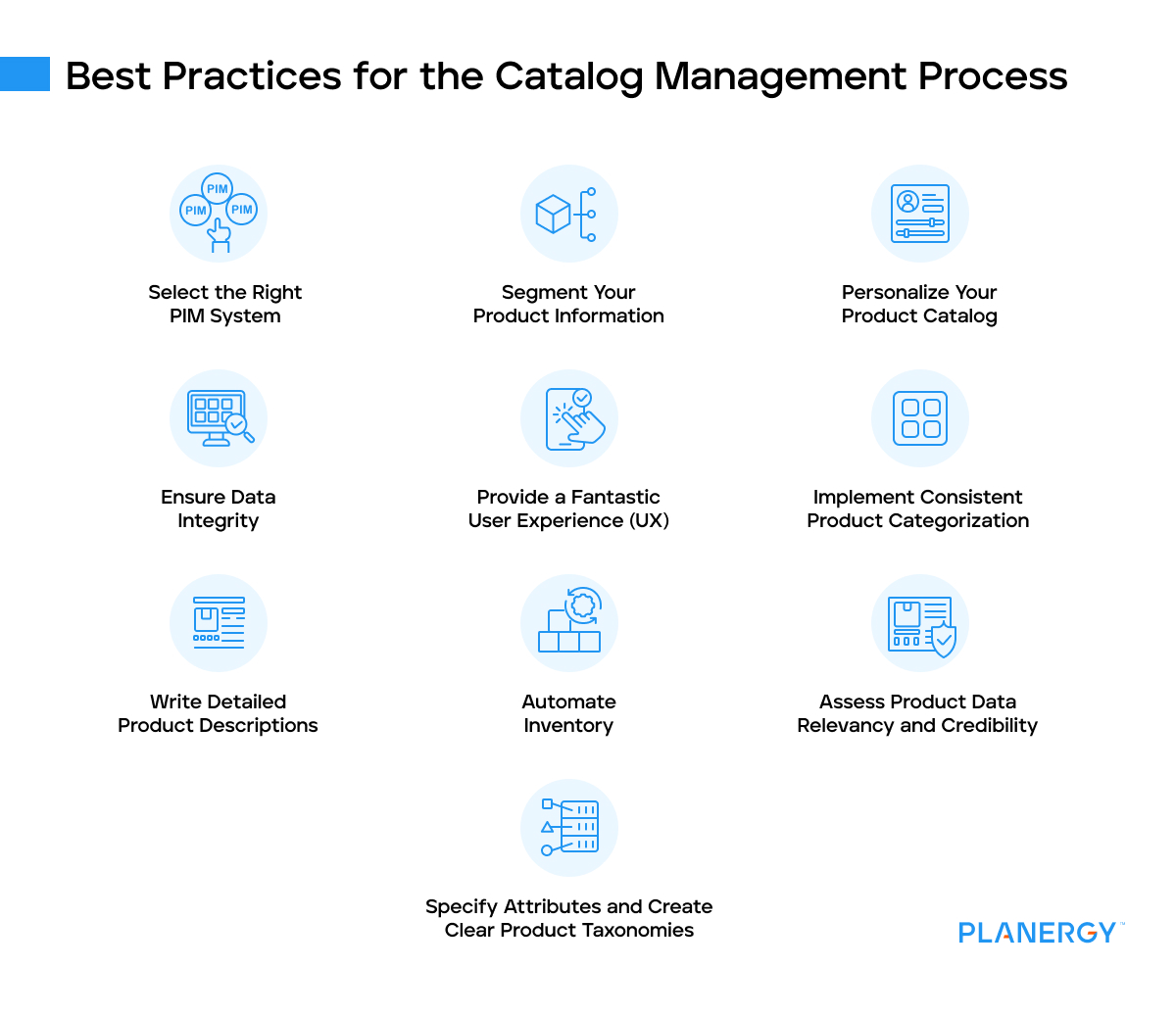
Catalog Management in Procurement What Is It, Types of Catalogs
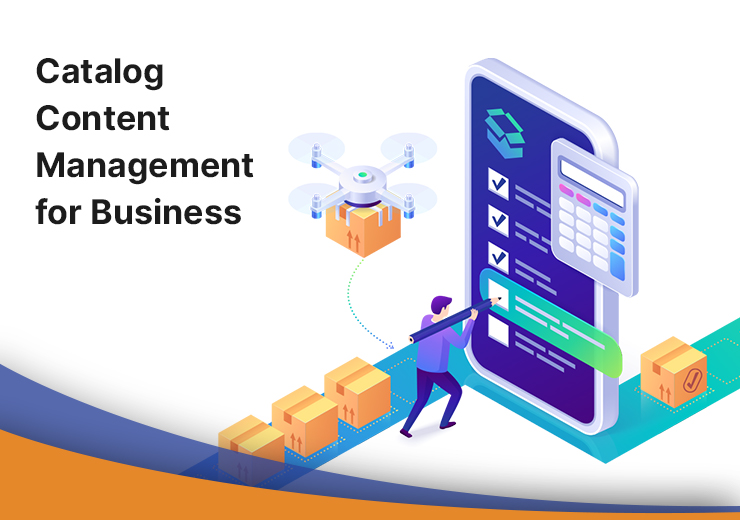
How the Catalog Content Management Will Save Your Business?

Catalog Management in Procurement Its Benefits and Best Practices

SAP Ariba Catalogue Procurement Catalogue Content Management
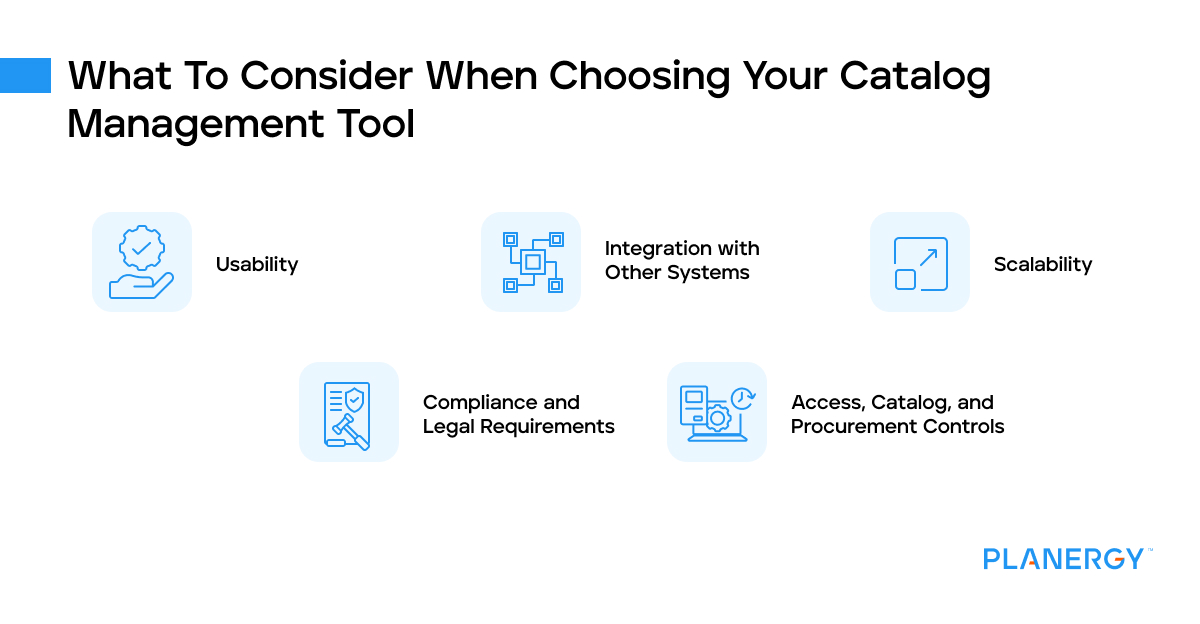
Catalog Management in Procurement What Is It, Types of Catalogs

Catalog Management in Procurement What Is It, Types of Catalogs
.gif)
Procurement catalogs overview Microsoft Learn

(PDF) Procurement Catalog Management with SRMMDM Catalog...Builtin
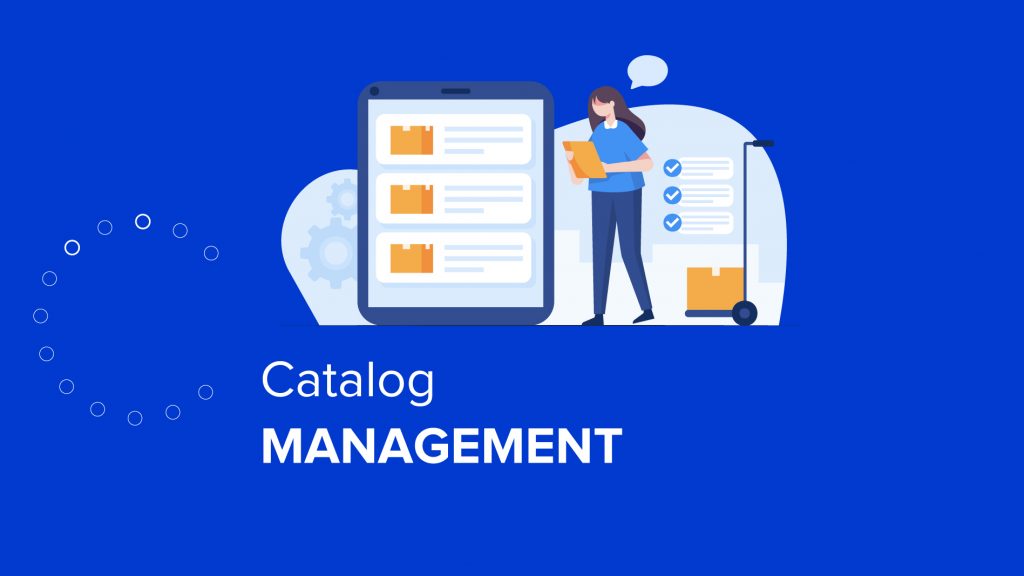
What Is Catalog Management? Best Practices eSwap
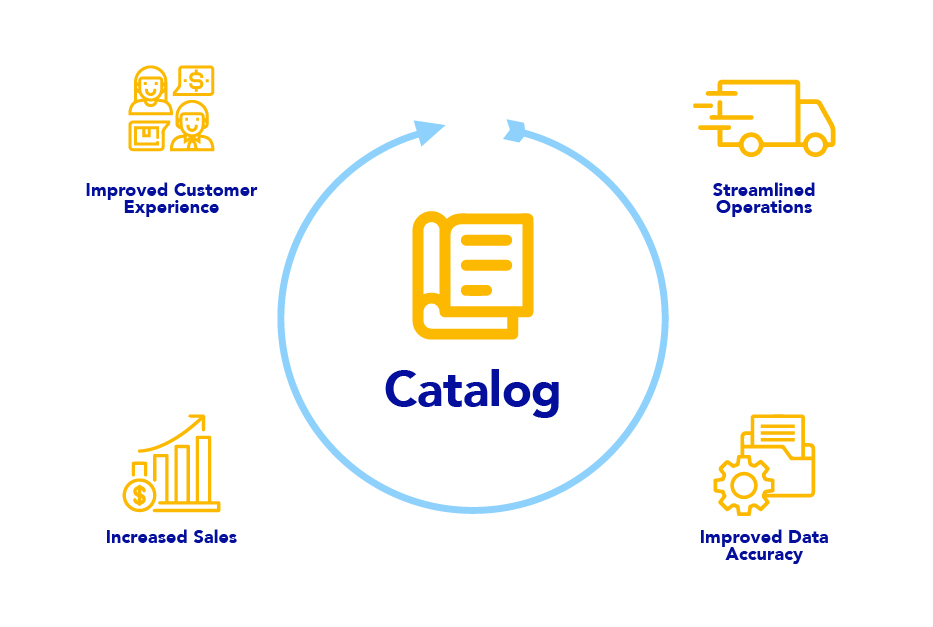
Four Ways Product Catalog Management Is Essential for
Procurement Management Refers To The Strategic Planning, Implementation, Control, And Monitoring Of All Processes Involved In Supplying A Company With The Necessary Materials, Raw Materials, Operating Resources, And Services.
It Serves To Simplify The Procurement Process By Providing Buyers With Structured And Centralized Access To Checked And Approved Items.
From Procurement To Sales To Customer Service, Every Team Relies On Accurate Product Data To Do Their Job Effectively.
This Article Explains How To Create A Procurement Catalog.
Related Post: